
Safeguarding is non-negotiable
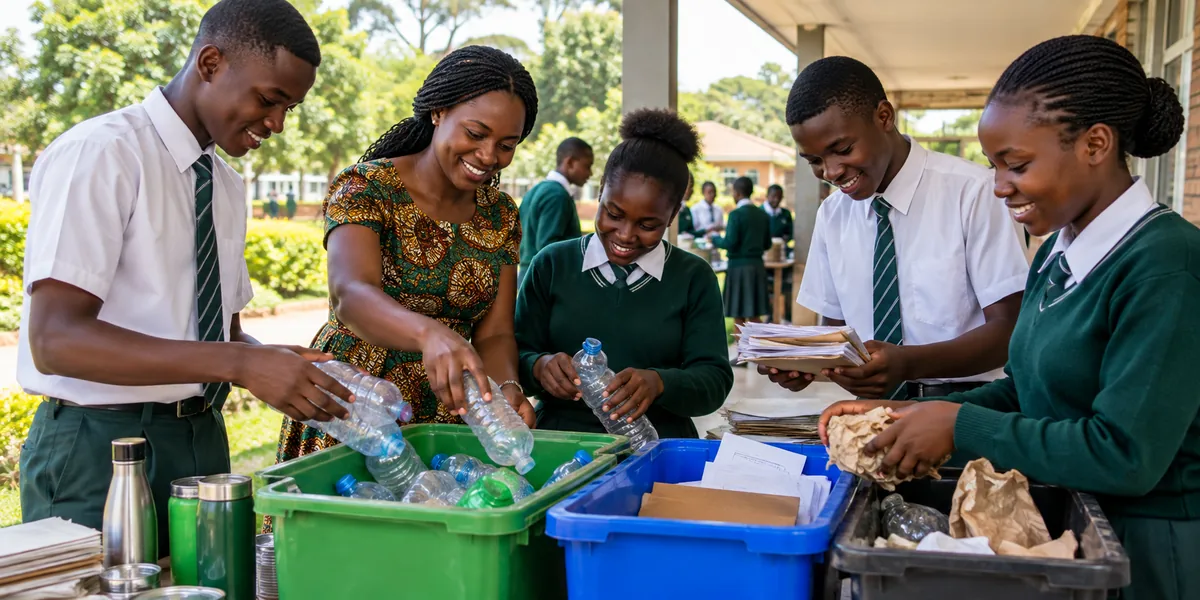
Environmental projects should be inclusive, age-appropriate and overseen by approved teachers or responsible adults. Physical activities and digital participation require different but complementary safeguards.
Adult supervision
Teachers approve activities and respond to safety concerns before student participation.
Activity risk checks
Plan for tools, waste handling, water, weather, field visits and transport.
Permissions for media
Obtain required school and guardian permissions before capturing or publishing child images.
Data minimisation
Avoid collecting student identities unless essential and authorised.
Role-based digital access
Future systems should separate student, teacher, administrator and oversight permissions.
Fair participation
Design activities for accessibility, inclusion and appropriate supervision.
No live child-data portal
The current static website does not accept uploads or student registration. Future services require documented policies, approvals, privacy notices, retention schedules, reporting procedures and an operational safeguarding lead.
Practical environmental safety
Students should not handle hazardous waste, work with electrical mains, handle wildlife or carry out unsupervised work near traffic, water bodies or construction zones.